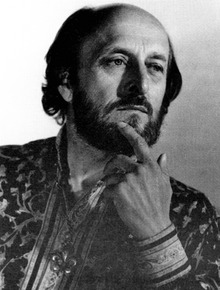
Pioneering Claymation: Art Clokey's Path to Animation Success
Arthur "Art" Charles Clokey was more than just an animator; he was a visionary who reshaped the landscape of children's television and animation itself. Born in 1921, Clokey is universally celebrated as the inventive genius behind the beloved green clay character, Gumby, and his trusty pal, Pokey. His groundbreaking work in stop-motion clay animation didn't just entertain; it opened up new possibilities for storytelling, leaving an indelible mark on popular culture. Beyond the whimsical adventures of his characters, Clokey's life was a testament to resilience, creativity, and the power of an entrepreneurial spirit that ultimately defined his legacy and contributed significantly to his personal and professional success. Understanding his journey offers insight into how a singular artistic vision can evolve into a lasting enterprise, impacting not only the creative world but also securing a substantial footprint for a pioneer like Art Clokey.
The Formative Years: A Journey Through Adversity and Inspiration
Art Clokey's path to animation success was far from conventional, marked by early life challenges that paradoxically seemed to fuel his creative spirit. Born Arthur Charles Farrington in Detroit, his childhood took a drastic turn at age eight with his parents' divorce. A year later, tragedy struck when his father was killed in a car accident. Rejoining his mother in California, young Arthur faced further instability when he was banished by his stepfather and placed in a children's home. These early experiences of loss and displacement could have derailed many, but for Clokey, they perhaps fostered a unique perspective and an inner world ripe for imaginative exploration.
At the age of 11, a pivotal moment arrived: Arthur was adopted by Joseph Waddell Clokey, a renowned composer of sacred and secular music. This adoption brought not only a new name but also stability and exposure to a rich artistic environment. Joseph Clokey’s influence was profound, instilling in young Art a love for music and perhaps a foundational understanding of creative structure. His education continued at The Webb Schools in Claremont, where another significant mentor emerged: teacher Ray Alf. Alf’s unconventional approach, which included expeditions for fossil digging and hands-on learning about the natural world, likely broadened Clokey’s horizons and encouraged a sense of curiosity and discovery. It was this blend of artistic immersion and scientific inquiry that would later manifest in his unique animation style.
Clokey's diverse background continued with studies in geology at Pomona College, where his adoptive father served as an organist. This scientific grounding provided a practical, structural understanding of the world, contrasting with his burgeoning artistic sensibilities. His education was interrupted by World War II, during which he served in the Air Corps as a reconnaissance photographer. This experience, demanding precision and an eye for detail, further honed skills that would prove invaluable in the painstaking process of stop-motion animation. After the war, he completed his studies at Miami University in 1948, his father's alma mater, bringing together a fascinating mosaic of experiences that would collectively inform his pioneering work in claymation.
Gumbasia and the Birth of a Claymation Icon
Art Clokey's foray into the world of animation was sparked by a fertile academic environment and a desire to push creative boundaries. His attendance at the University of Southern California (USC) proved to be a turning point, especially under the tutelage of Slavko Vorkapich, an influential professor renowned for his theories on film montage. Vorkapich's emphasis on visual storytelling and the emotional impact of editing deeply influenced Clokey's experimental approach.
From USC Experiment to National Sensation
In 1953, Clokey produced his seminal student film,
Gumbasia (though released in 1955), a visually inventive short often considered a precursor to abstract clay animation. This highly experimental piece, created by manipulating lumps of clay, served as a proof of concept for the stop-motion technique he would soon master. It demonstrated that clay, far from being a mere children's toy, could be a dynamic medium for artistic expression. The successful execution of
Gumbasia paved the way for something truly iconic.
It was during this period that Clokey and his wife, Ruth, conceived the character that would define his career: Gumby. Inspired by their young son's fascination with the malleable material, they molded a green, humanoid figure, giving him a gentle, curious disposition. Gumby was soon joined by his loyal orange horse, Pokey, and together they made their television debut on the hugely popular
Howdy Doody Show. Their initial appearances were a hit, quickly garnering a dedicated following. The success on
Howdy Doody led to their very own series,
The Adventures of Gumby, which began airing in the late 1950s. This series transformed Gumby and Pokey into household names, becoming a familiar and beloved presence on American television. Clokey's innovation lay not just in the technique but in imbuing simple clay figures with personality and charm, making them relatable characters for generations of viewers.
The Gumby Phenomenon and Its Resurgence
The popularity of Gumby and Pokey was a testament to Clokey's unique storytelling and the enduring appeal of his claymation technique. For decades, Gumby represented a form of gentle, imaginative entertainment, standing out in a crowded landscape of animated shows. However, the characters experienced an extraordinary renewal of interest in the 1980s, thanks to an unexpected source: American actor and comedian Eddie Murphy. Murphy's parody of Gumby in a recurring skit on
Saturday Night Live introduced the character to a new generation and cemented his status as a cultural icon. Murphy's gruff, cigar-chomping portrayal of Gumby screaming "I'm Gumby, dammit!" breathed new life into the franchise, proving that the character's timeless appeal could transcend its original context and find relevance in contemporary humor. This resurgence not only brought Gumby back into the limelight but also undoubtedly revitalized the commercial viability of Clokey's creations, contributing significantly to the overall value of his intellectual property.
Beyond Gumby: Expanding the Claymation Universe
While Gumby and Pokey undeniably stand as Art Clokey's most recognizable creations, his artistic ambition and production capabilities extended far beyond the green hero. Clokey proved his versatility and commitment to animation as a storytelling medium through other notable projects, each contributing to his rich legacy.
Davey and Goliath: Animation with a Message
Clokey's second-most famous production showcased his ability to fuse entertainment with meaningful content: the animated duo of Davey and Goliath. This series, featuring a young boy named Davey and his talking dog, Goliath, was uniquely funded by the Lutheran Church in America (now the Evangelical Lutheran Church in America). Premiering in 1960,
Davey and Goliath wasn't just a children's show; it was designed to subtly teach moral and ethical lessons, promoting values such as compassion, honesty, and understanding. The series, much like Gumby, utilized Clokey's signature stop-motion clay animation, bringing a tangible, handcrafted quality to its narratives. Its success demonstrated that animation could be a powerful tool for educational and spiritual messaging, reaching millions of homes with gentle, thought-provoking stories. This project further solidified Clokey’s reputation as an innovator willing to explore diverse avenues for his animation talents.
Premavision: The Business Acumen Behind the Art
A key aspect of Art Clokey's enduring success and the foundation for his significant financial standing was his astute understanding of intellectual property and brand management. To fully control and capitalize on his creations, particularly the burgeoning Gumby and Pokey franchise, Clokey founded his own company, Premavision. This entity wasn't just a production studio; it became the central hub for all things Gumby, managing the rights, production, and distribution of films, television series, and merchandise.
Under the Premavision umbrella, Clokey also established a manufacturing subsidiary, Prema Toy Company. This strategic move allowed him to directly control the quality and production of Gumby-related merchandise, from bendable toys to apparel, ensuring a consistent brand image and direct revenue streams. By establishing Premavision, Clokey transformed his artistic vision into a sustainable business empire. This foresight in creating a vertically integrated company meant that he retained significant control over his intellectual property, securing the financial future of his creations for decades. It is this entrepreneurial spirit, combined with his artistic genius, that truly set the stage for the value associated with his career. For a deeper dive into the organizational structure and lasting impact of this business, consider exploring
Gumby's Creator: Unpacking Art Clokey's Premavision Empire.
The Enduring Legacy: Art Clokey's Influence and Financial Footprint
Art Clokey's journey from a challenging childhood to becoming a celebrated animation pioneer is a compelling narrative of creativity meeting tenacity. His work transcended simple entertainment, laying foundational techniques and inspiring countless artists across generations.
A Pioneer's Lasting Impact
Art Clokey didn't just popularize stop-motion clay animation; he helped define it. His meticulous process of moving clay figures frame by frame, breathing life into inanimate objects, set a standard for an entire genre. His unique blend of whimsical storytelling and technical innovation created a distinctive style that remains recognizable and beloved. Beyond his famous television series, Clokey also ventured into more experimental and visually rich short clay animation films for adults, including his very first student film,
Gumbasia. These works showcased his artistic range and his continued interest in pushing the boundaries of the medium, demonstrating that claymation could explore diverse themes and appeal to various audiences. His influence can be seen in the work of many animators and filmmakers who followed, proving the enduring power of his creative vision.
Gauging Art Clokey's Net Worth and Success
While exact figures for a private individual's "art clokey net worth" are rarely publicly disclosed, one can infer his significant financial success and accumulated wealth through the longevity and widespread commercial success of his creations. The Gumby franchise, sustained by decades of television broadcasts, merchandise sales through Premavision and Prema Toy Company, and the strategic revitalization spurred by Eddie Murphy's parodies, generated substantial income. The continuous licensing of Gumby's image for various products, combined with the success of
Davey and Goliath, ensured a steady revenue stream.
Clokey's foresight in establishing Premavision was crucial. By owning his intellectual property and controlling production and merchandising, he retained a significant portion of the profits generated by his characters. This entrepreneurial approach transformed a creative endeavor into a robust business. His financial success wasn't merely about personal wealth; it was about building a sustainable platform for his art, ensuring that Gumby and his friends could continue to charm audiences for decades. His lasting impact on culture and the continued marketability of his creations underscore that Art Clokey’s net worth was indeed substantial, reflecting a lifetime of creative output and strategic business decisions. To understand the full scope of this enduring value, explore
Art Clokey's Legacy: The Enduring Value of Gumby and Pokey. His true legacy, however, extends beyond monetary figures; it lies in the joy and wonder he brought to millions, making him a truly wealthy individual in terms of cultural contribution.
Conclusion
Art Clokey's life was a remarkable journey from adversity to animation icon. His personal history, marked by challenges and pivotal mentors, forged a creative spirit that found its ultimate expression in the malleable world of clay. Through his pioneering work on
Gumbasia, the enduring charm of Gumby and Pokey, and the moral narratives of
Davey and Goliath, Clokey didn't just create characters; he established a genre and inspired generations. His strategic business acumen in forming Premavision ensured that his artistic legacy was also a financial triumph, demonstrating how profound creative vision, when coupled with entrepreneurial foresight, can build an empire. Art Clokey's impact on animation, children's entertainment, and popular culture remains immeasurable, cementing his status as a true pioneer whose work continues to resonate with audiences worldwide.